The window is short and the seat is empty.
The season does not wait for a hiring cycle. Seeding, silage and harvest compress a year's work into weeks, the machines run into the night, and a seat that goes unfilled costs a crop, not a shift.
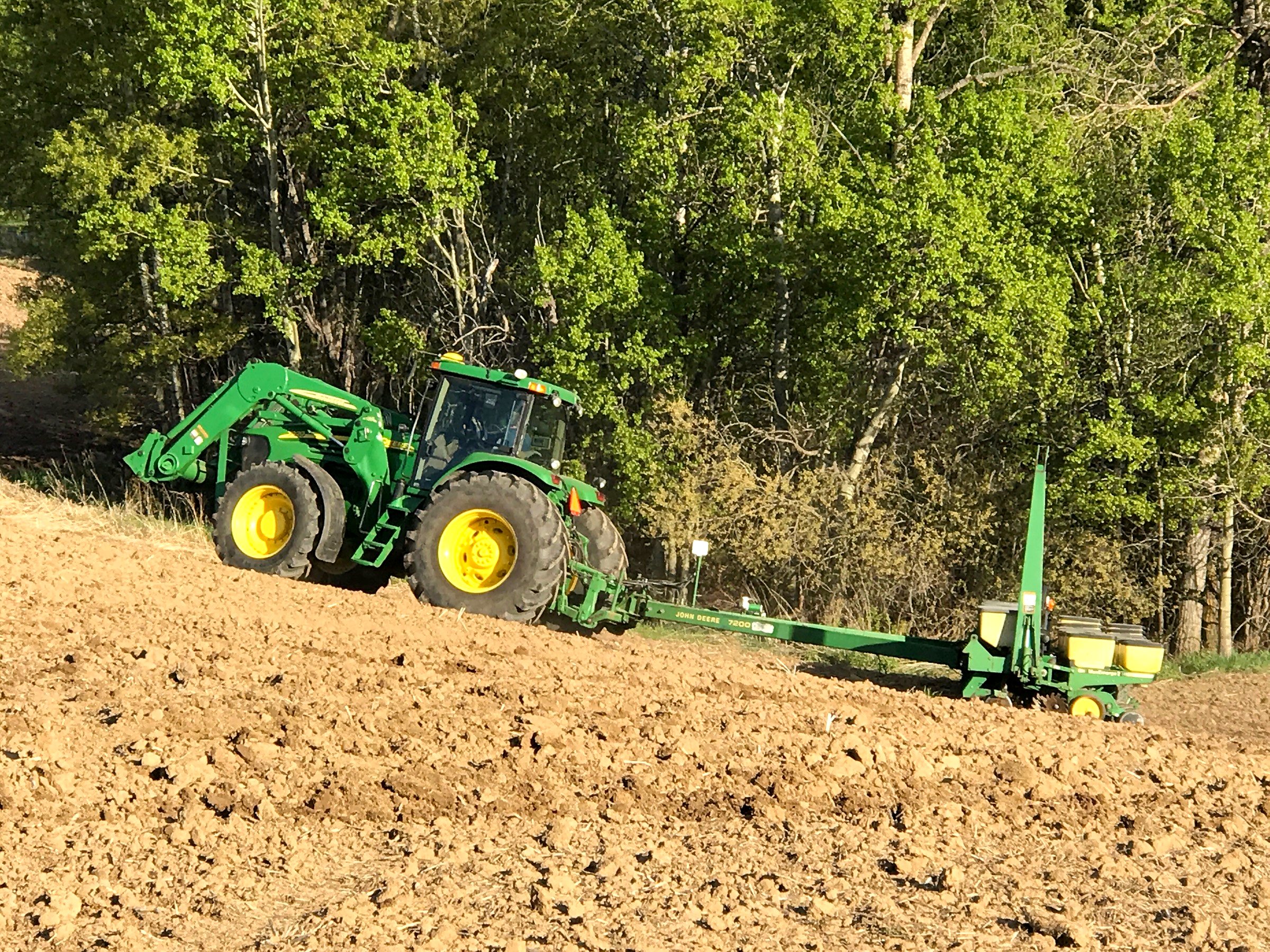
Planting at the treeline, the group's own farm.
A field is the closest thing agriculture has to a controlled site.
A field on private land, worked in repeated passes for days with nobody inside the fence but your own crew, meets the conditions this technology needs. The field's edge bounds the task, the pass repeats, and the public is not there.
The road between fields does not meet them, so Eddie does not go there: road transport and anything a member of the public could walk into are work we turn down before the first visit.
Eddie is a helping hand: it works the tools, and it does not decide. It drives and works the machine on the ground the job needs. A person starts every machine, every session, and can take Eddie's control away with one hand. Who is in charge, and the three ways to stop it, are on the safety page.
The crop sets the clock.
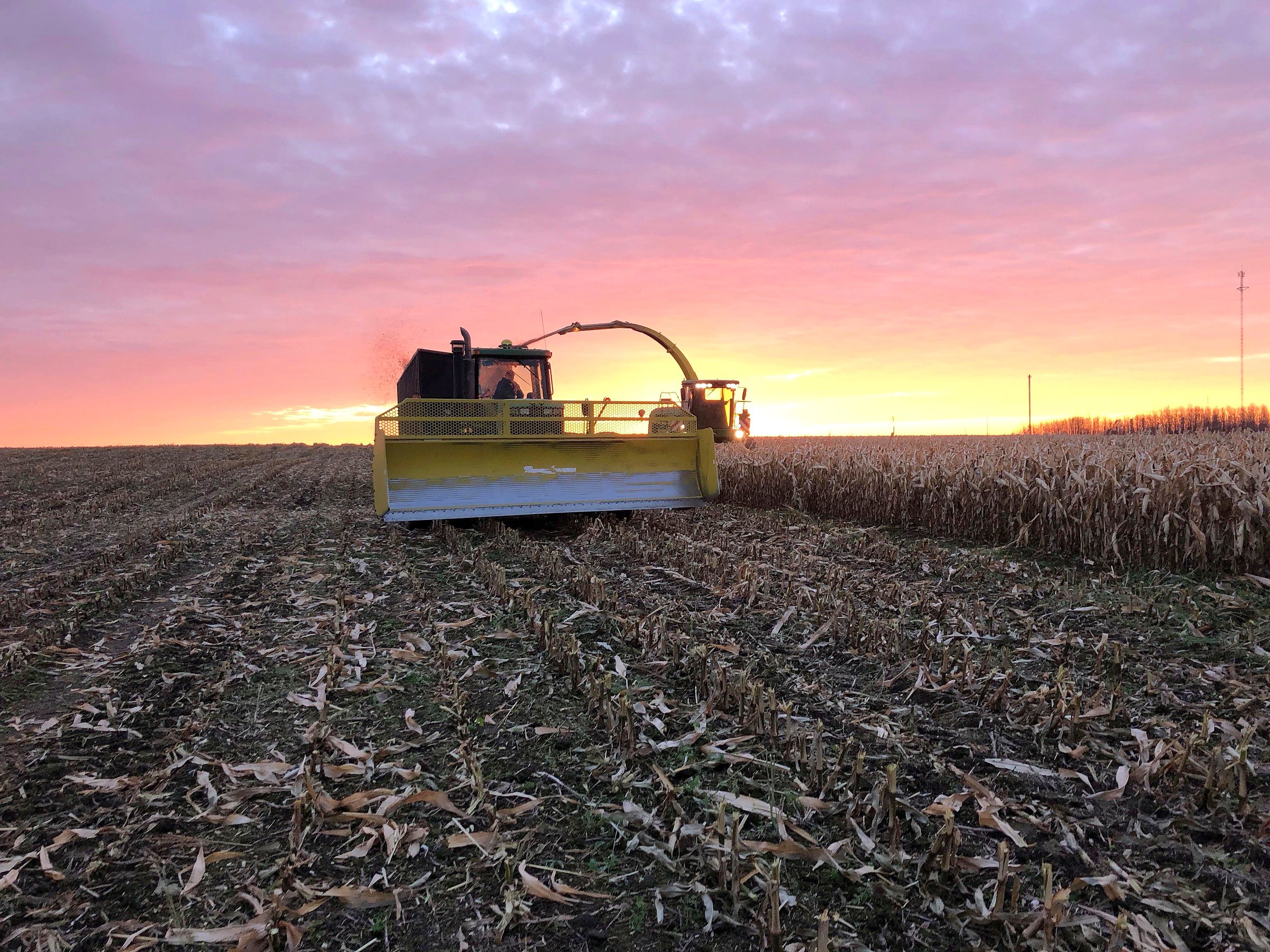
A John Deere 7200 forage harvester in corn at dusk.
A day without an operator is a day of the seeding window gone.
On our own land the window opens when the ground firms up and closes when the rain comes. The tractor and the air seeder run from first light until the dew comes down.
It is the same pass, field after field, on ground nobody else is on. The person who started the tractor stays on the field and Eddie works the controls.
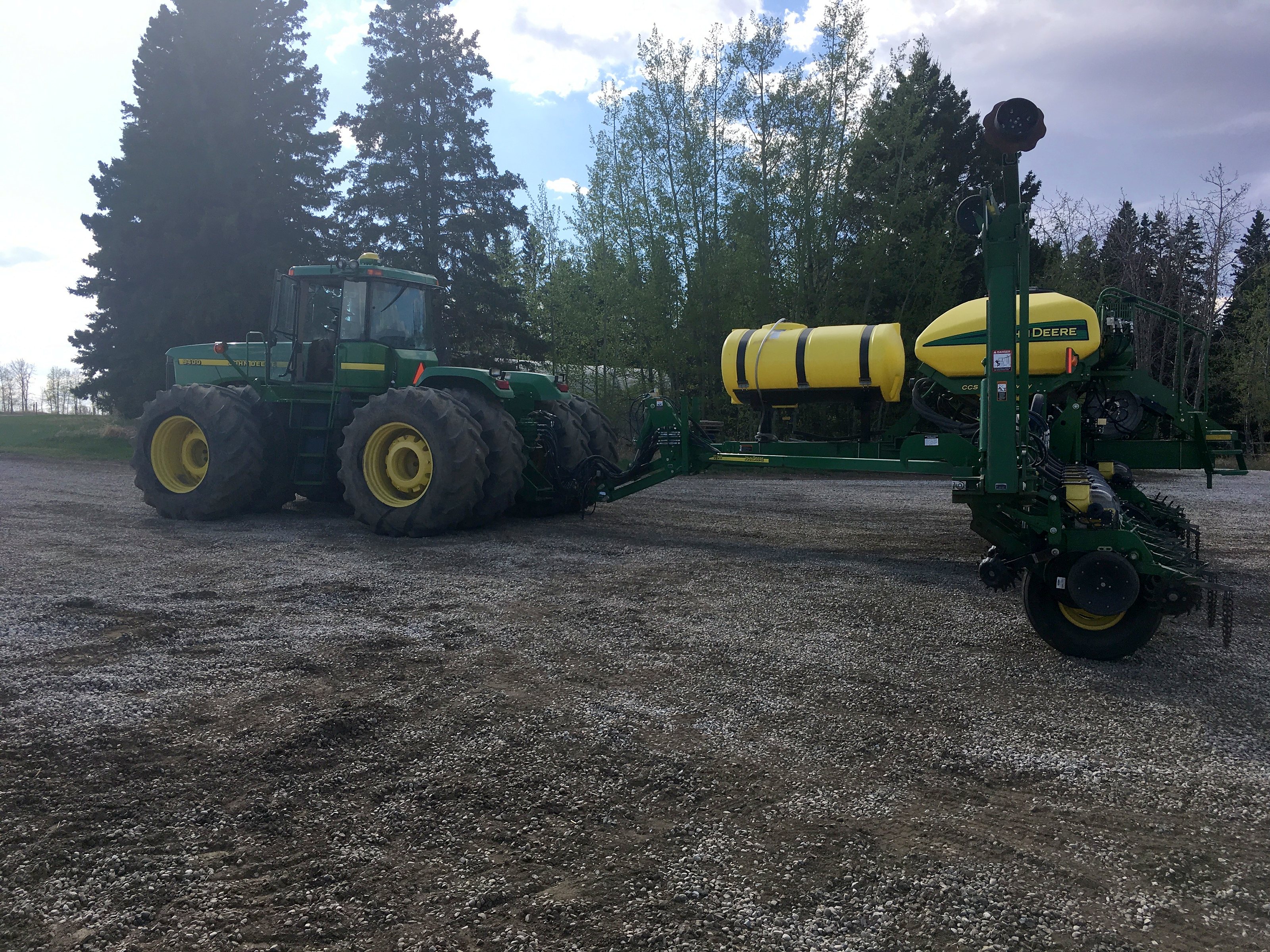
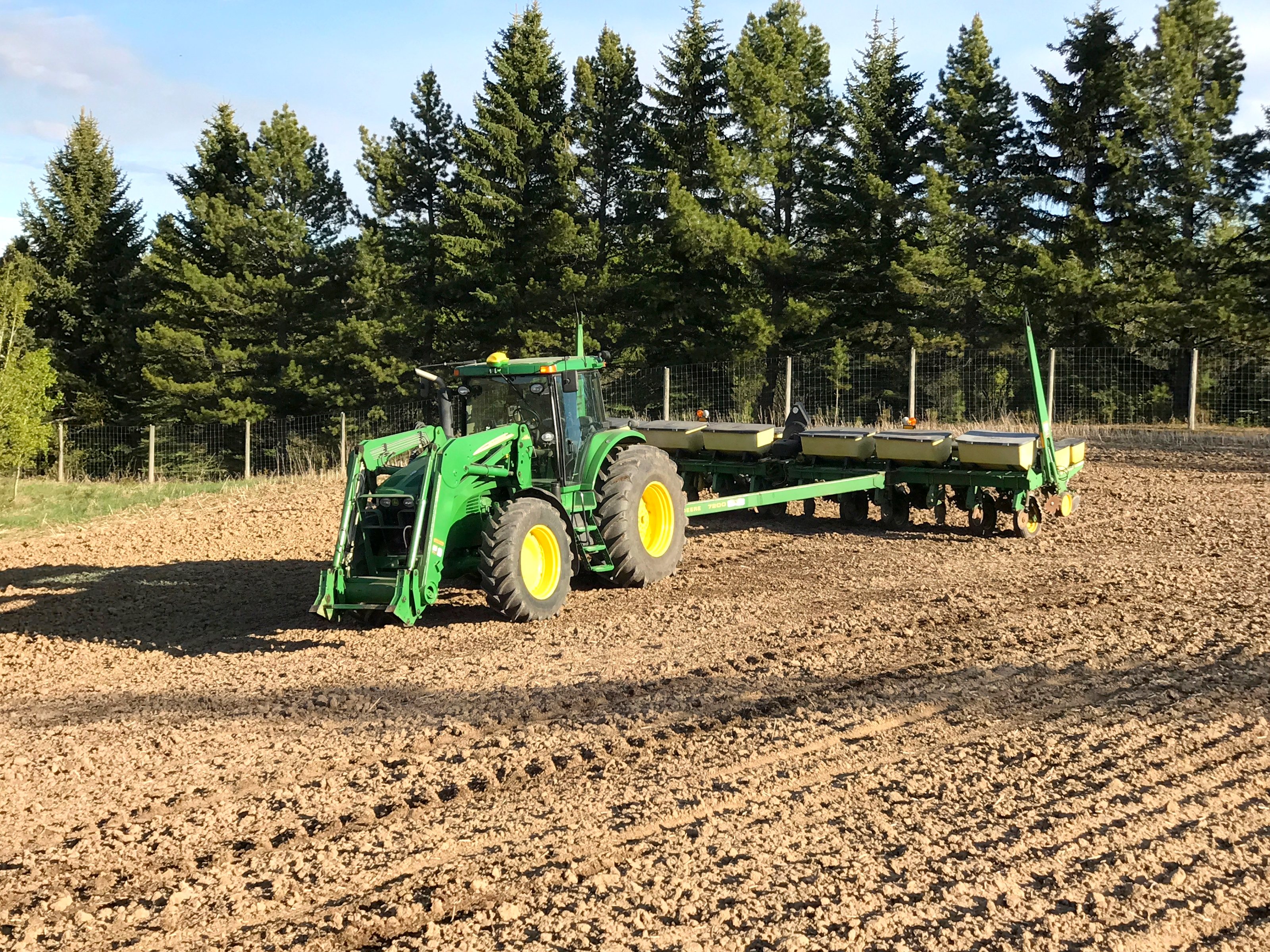
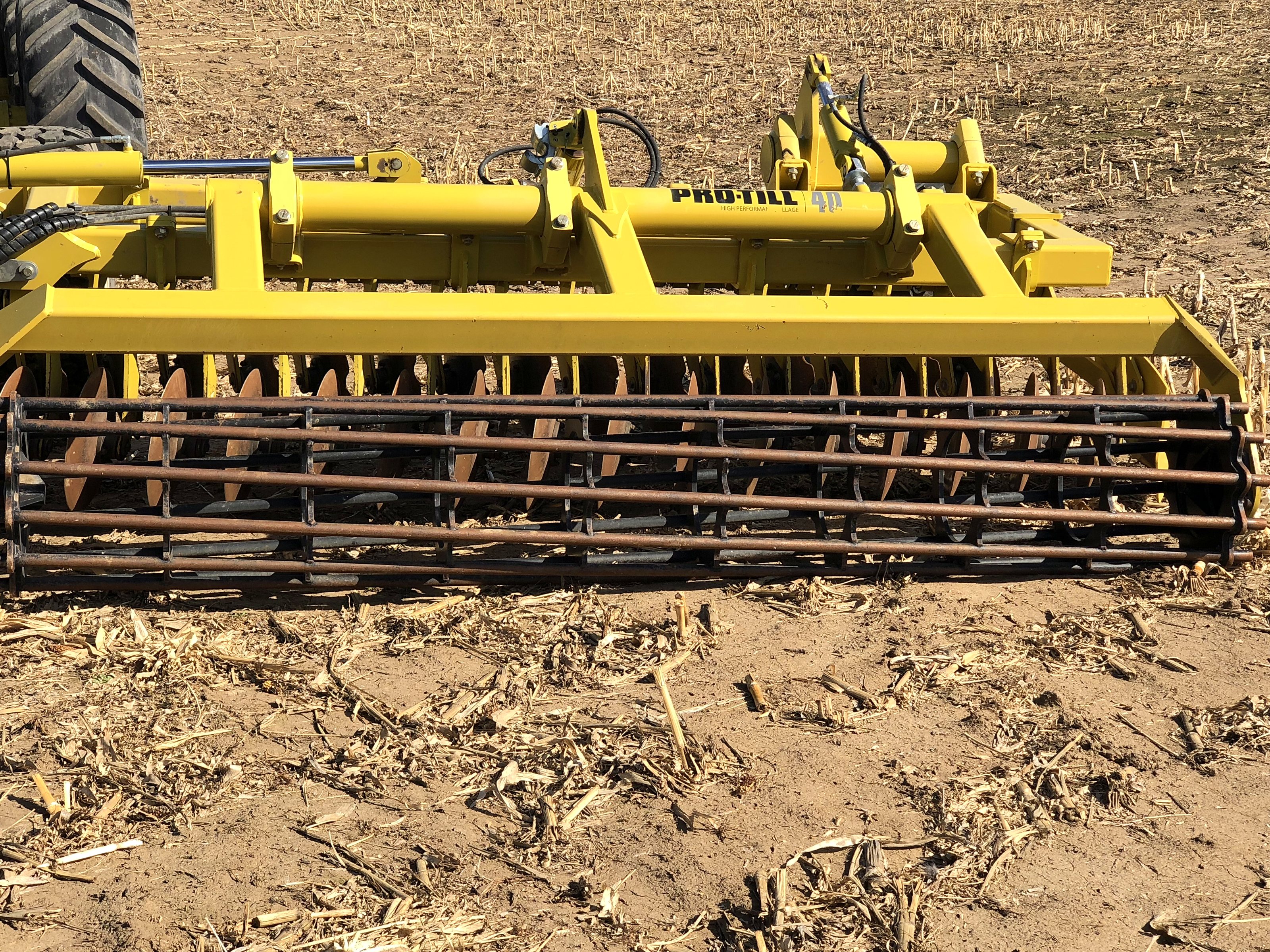
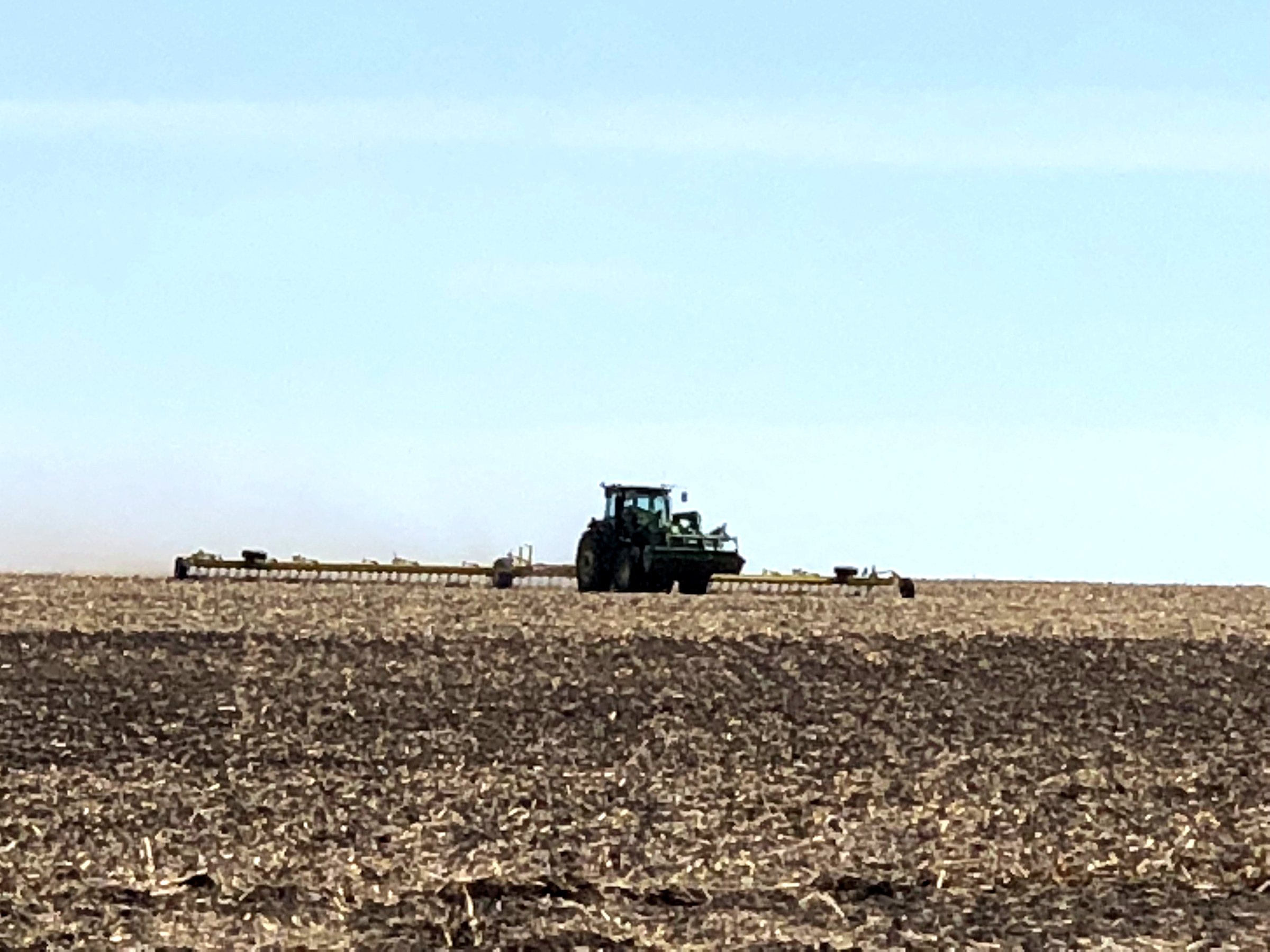
Two tractors and a combine are among our fourteen machines.
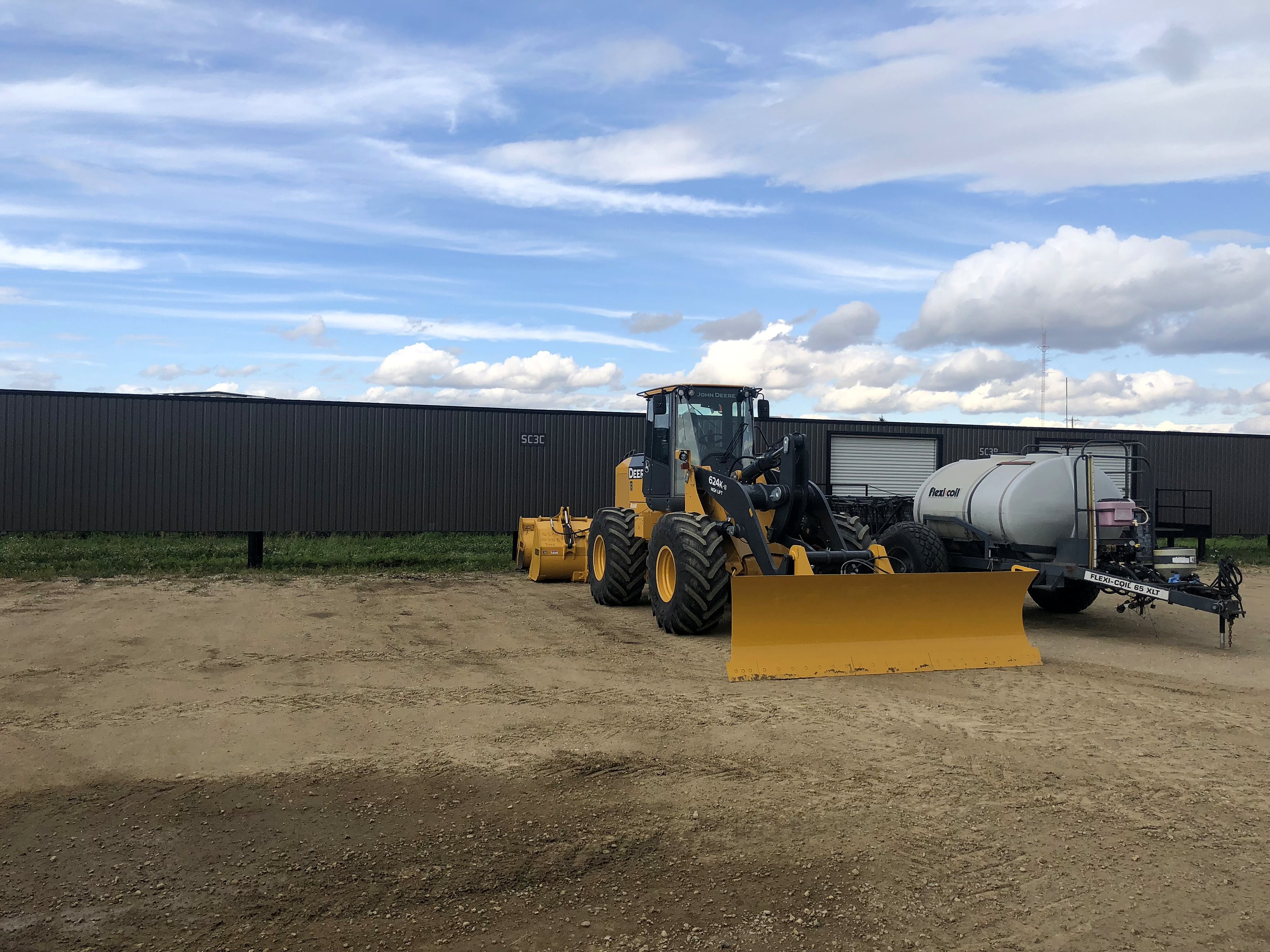
John Deere 7720 and 9400 tractors and a John Deere S670 combine run at our own Test Facility in Alberta, alongside two excavators, a dozer, a skid steer, a backhoe, a telehandler, a compactor, a rock truck, a wheel loader and two directional drills. A tractor cab carries controls a construction cab does not: implement controls, hydraulic valves and a power take-off. Agriculture is not an extension of this system. The tractors and the combine are among the machines it is built on.
What Eddie works on a farm.
- Tractors. Steering, pedals, implement controls, hydraulic valves and the power take-off. On our own John Deere 7720 and 9400.
- Combines. Propulsion, steering, header height and the harvest controls. On our own John Deere S670.
- Applicators and carriers. Self-propelled applicators and carriers share the tractor's layout, so we assess them on their controls rather than their badge.
Silage moves as one line.
The harvester, the trailers and the packing tractor work as one line, and when a seat is empty the whole line waits. If a unit can fill that seat and lift out when the corn is in, the seat is worth filling.
The feedlot runs on loaders, and it never stops.
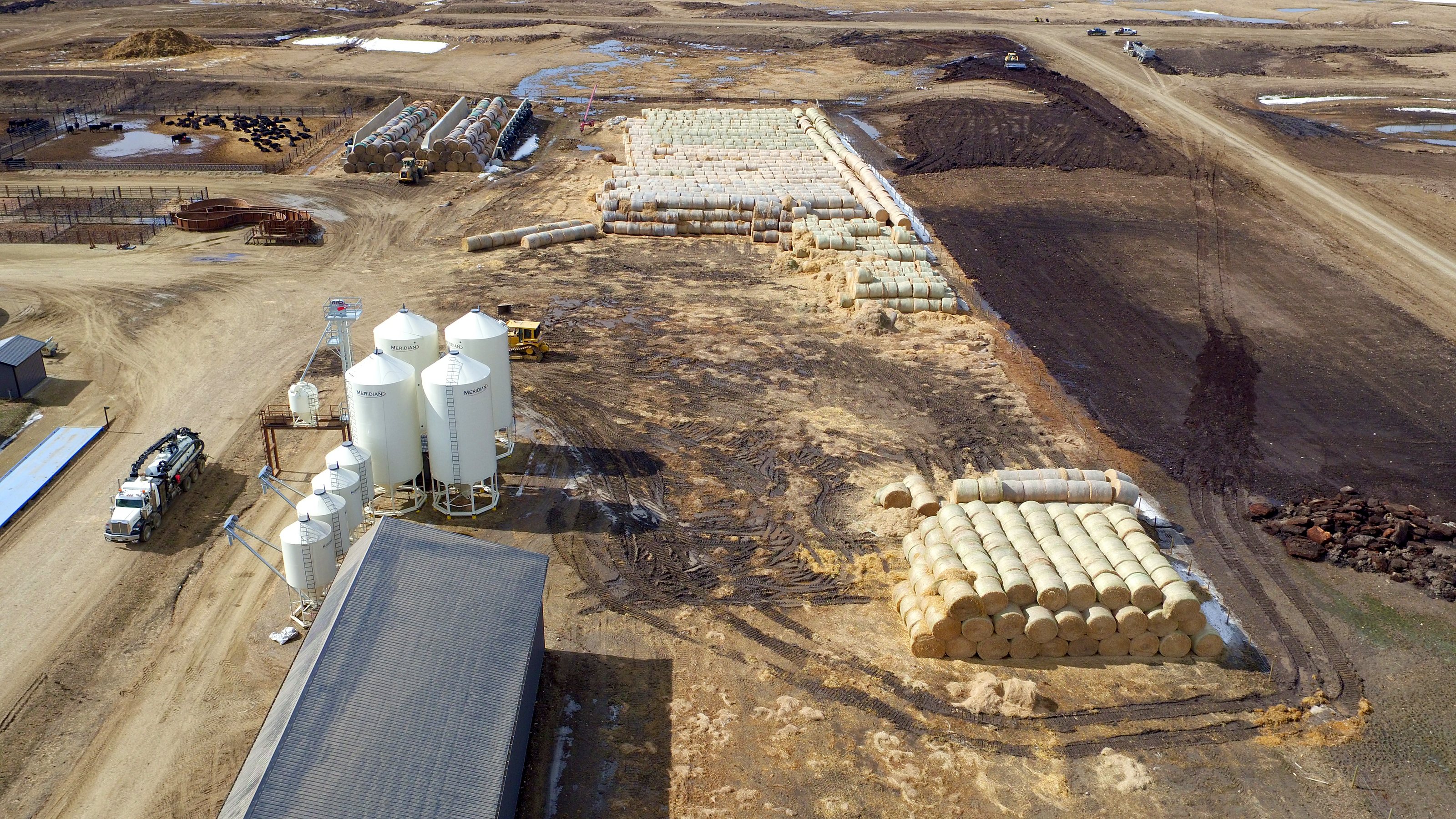
Silage comes out of the pit and goes down the bunk line every morning of the year, in every kind of weather. The loader, the feed carrier and the skid steer run the same yard on the same cycle, on private ground with a fence around it.
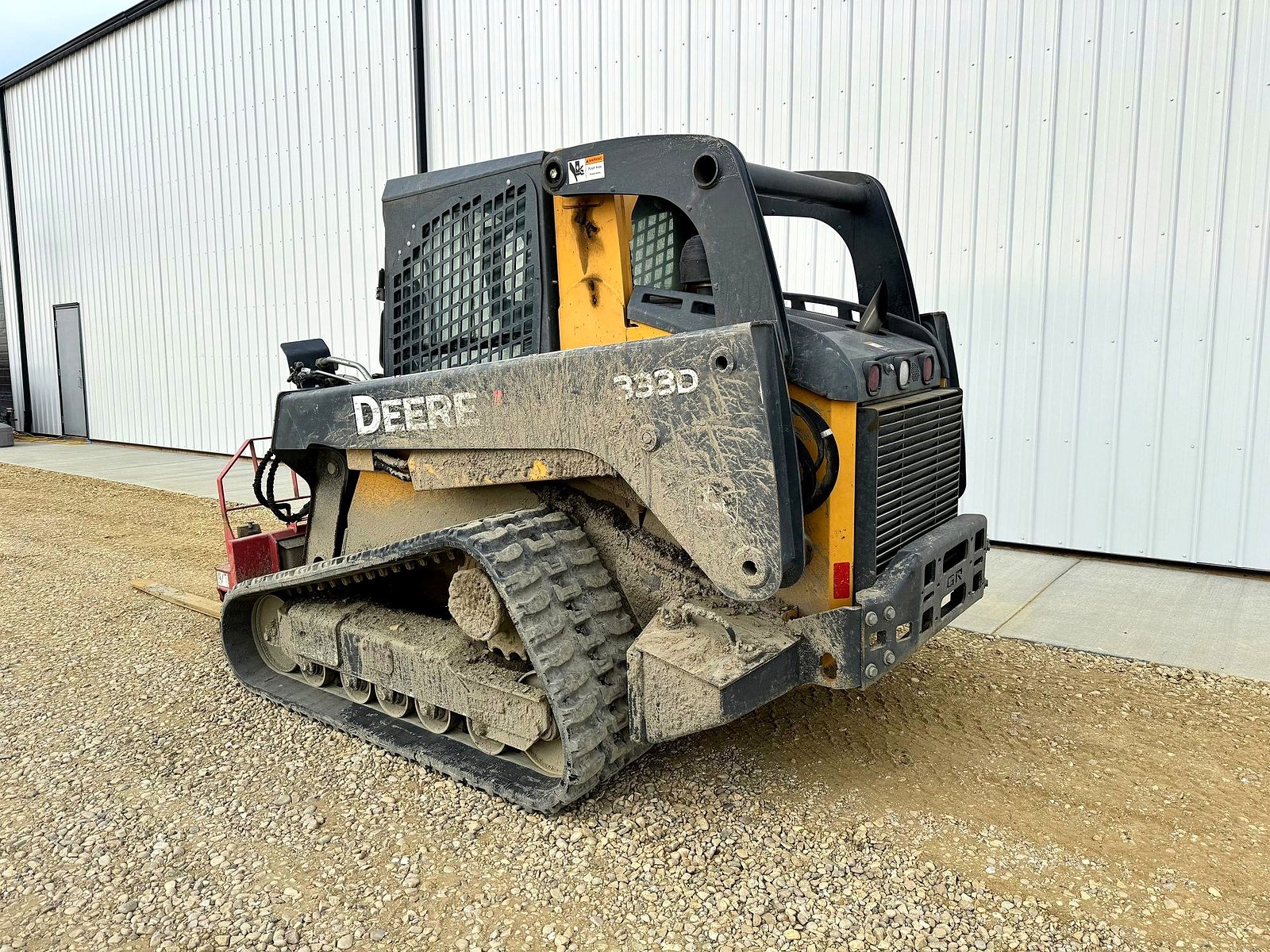
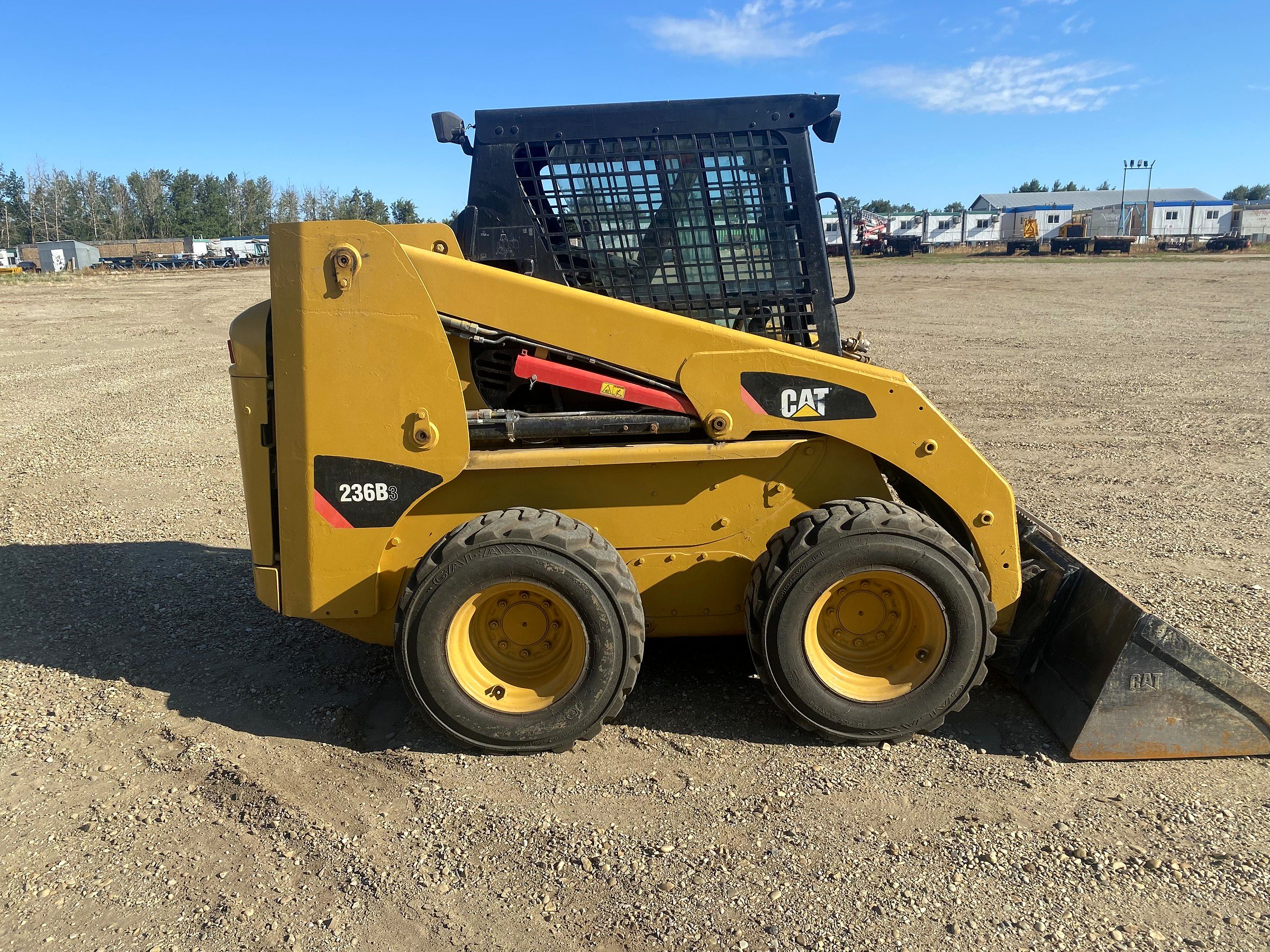
It is the steadiest work on the farm and the hardest seat to keep filled, and it is where our own Caterpillar 236 skid steer works.
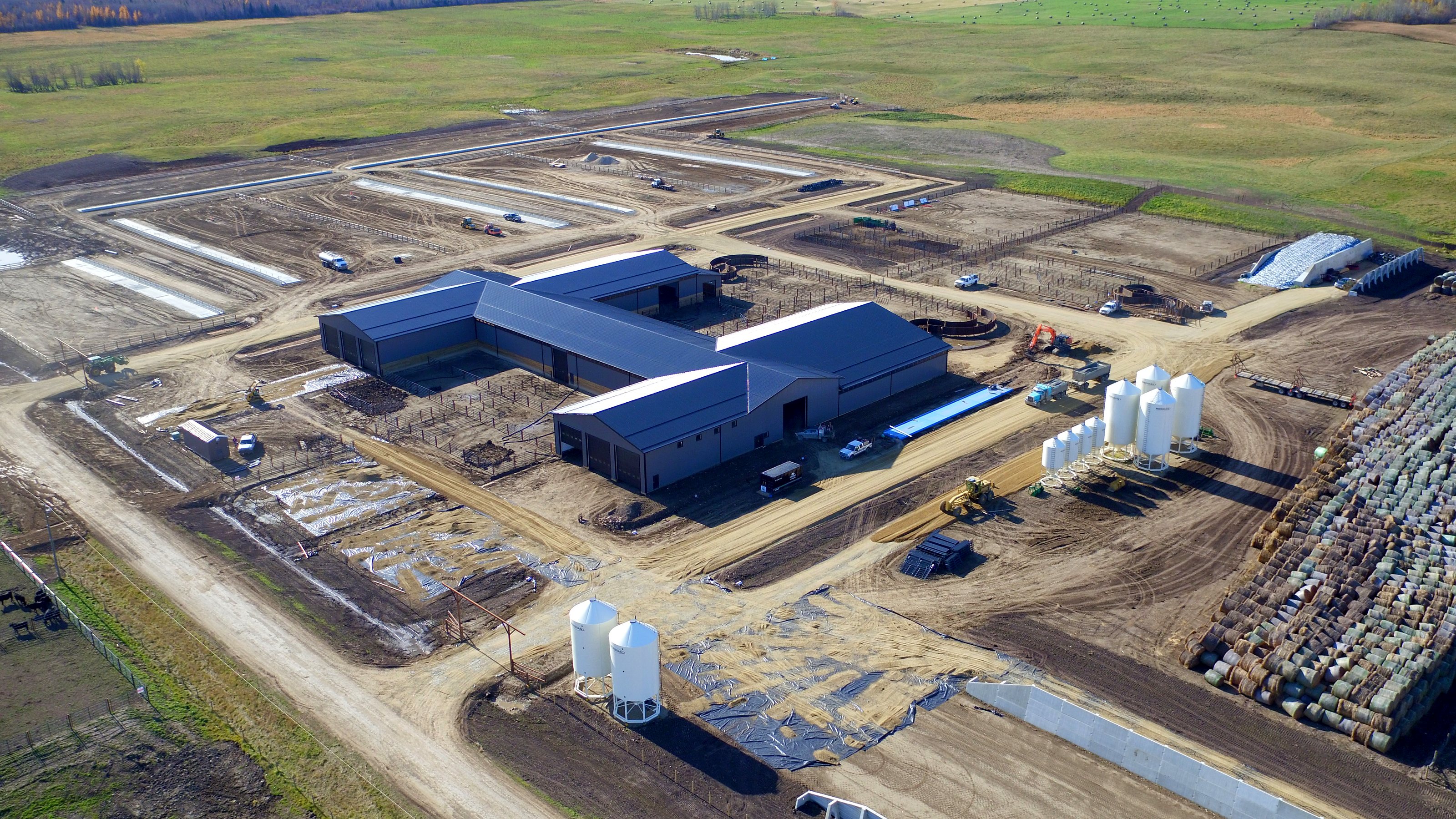
Private land, a closed yard, the same work every day.
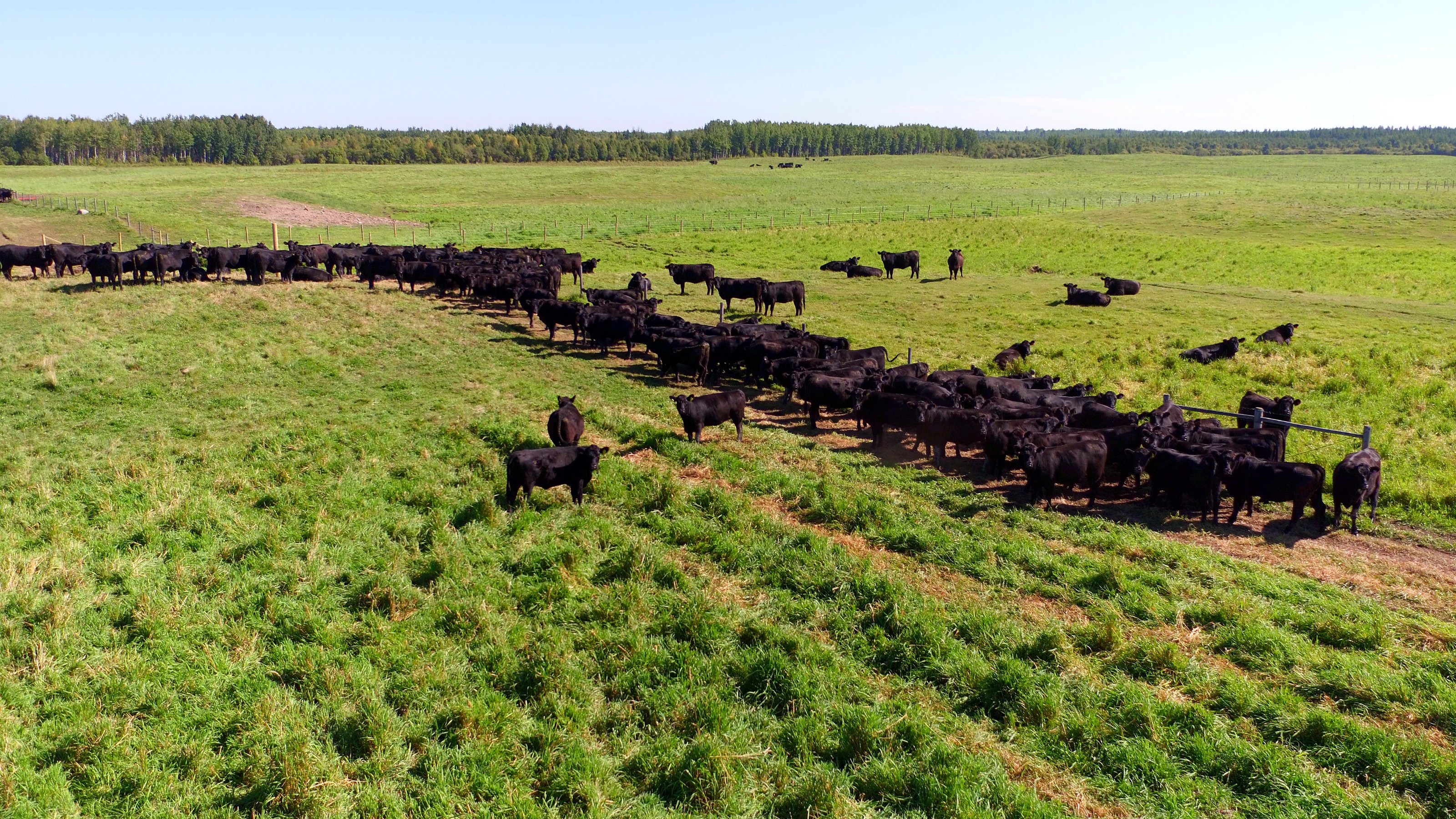
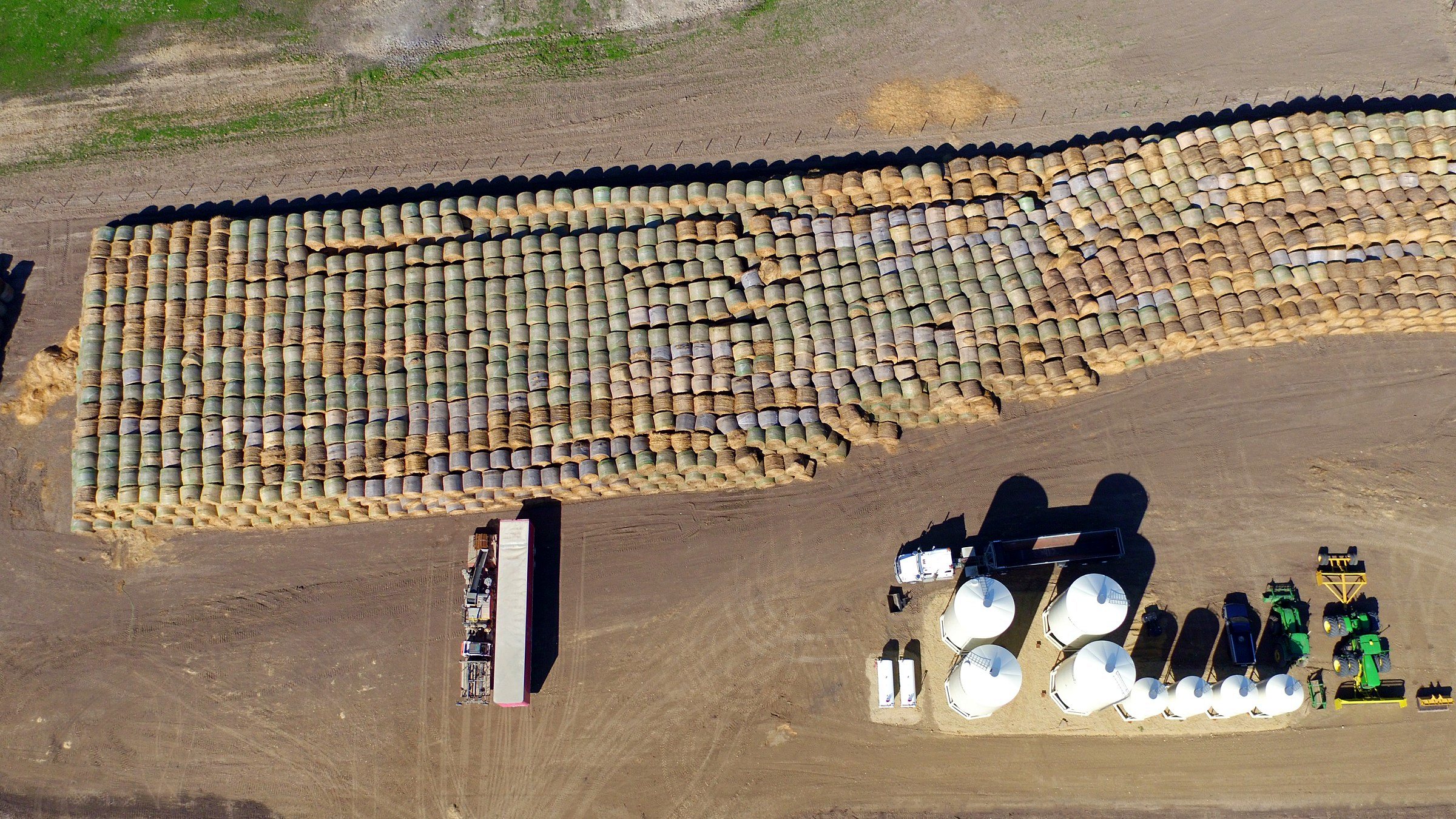
The ranch from the air, Alberta.
How agricultural work scores.
| Agricultural task | Constraint | Fixed task | Private land | No public traffic | Utilization | Verdict |
|---|---|---|---|---|---|---|
| A repeated field pass on private land | In season | Yes | Yes | Yes | High in season | Where we start |
| Grain cart and haul cycles in a closed yard | Often | Yes | Yes | Yes | High in season | Strong |
| Feedlot, bunker and yard work | Often | Yes | Yes | Yes | High, all year | Strong |
| Road transport between fields | No | No | No | No | Low | Refused |
A machine that is the constraint in season and idle the rest of the year is a good case for a unit that lifts out and moves to the next machine.
Where a unit earns its place on a farm.
- A night run on a bounded field, with the person who started the machine on site.
- A dusty, hot or chemical-load station where the value is a person out of the seat.
- Older tractors and carriers, which carry the simplest controls anywhere we work and are handled the same as a new cab.
- The day shift, unchanged. Nothing is cut or tapped, and the machine is standard again when Eddie lifts out.
Who we can help, and who we cannot.
- An operation with a hazardous or unpleasant station: dust, heat, a slope or a chemical load.
- An operation with a window it cannot staff.
- A mixed, older fleet on private land outside any OEM autonomy program.
- An operation with one machine repeating one cycle, such as a grain cart, a yard loader or a feed carrier.
- An operation that wants the first agricultural job run on its own machine, on its own land.
- Anything on a public road, including transport between fields.
- Anyone who needs a productivity or yield guarantee. We do not promise one.
- Fleets already inside an OEM autonomy program.
- Leaving Eddie fitted to a machine between jobs, or starting the machine.
If you can host that first job off-season, on private land, you are the operation we most want to hear from.
Our own land, our own machines.