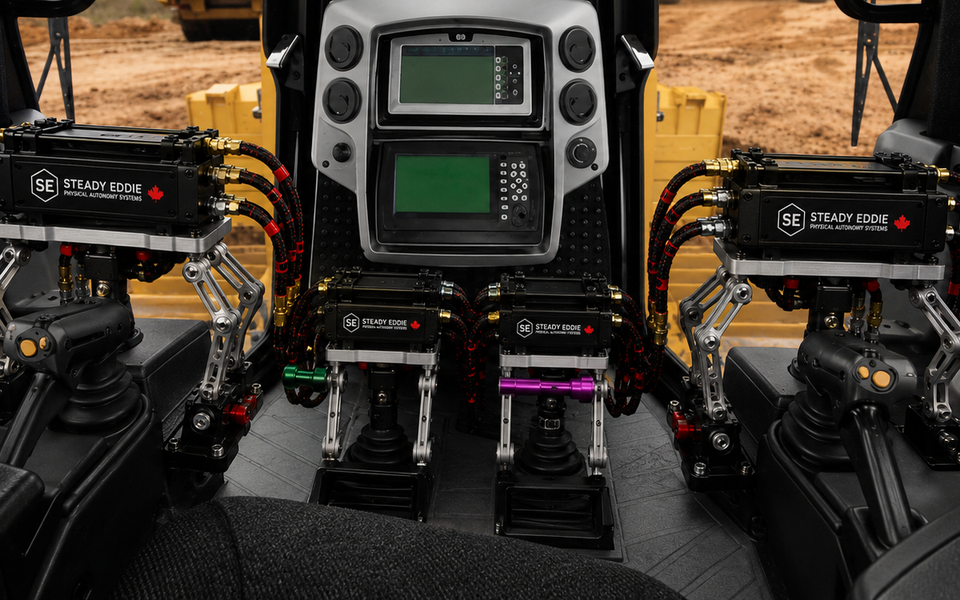
Every Steady Eddie does the same job: it sits in the seat, works the machine's own controls, and lifts out when the work is done. What differs is what moves the controls. STE Integrate drives each control the way it wants to be driven, and it is the system we lead with. STE Precision and STE Air exist for the cabs and the sites that want one kind of drive throughout. You do not choose a compromise. You choose the fit.
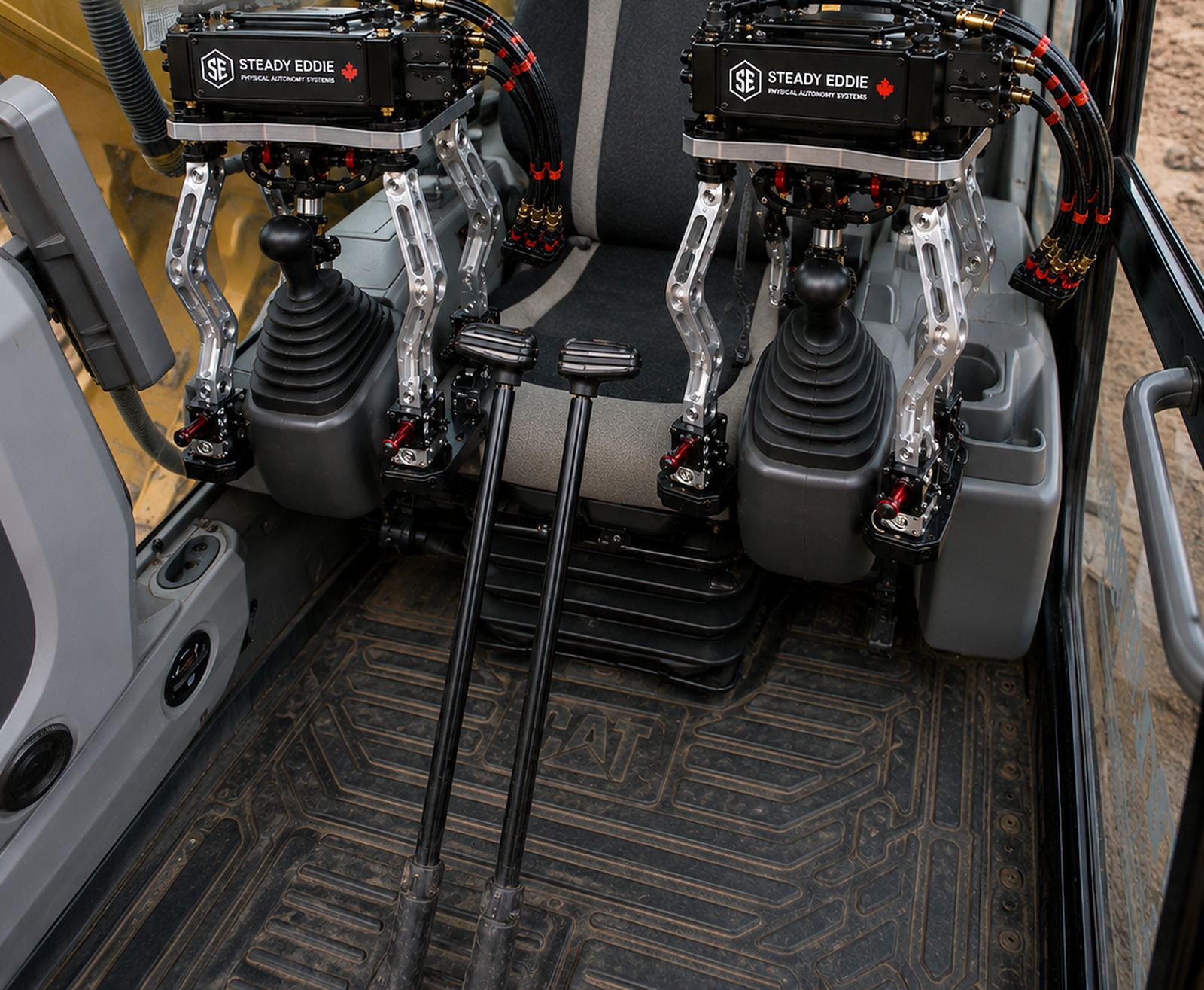
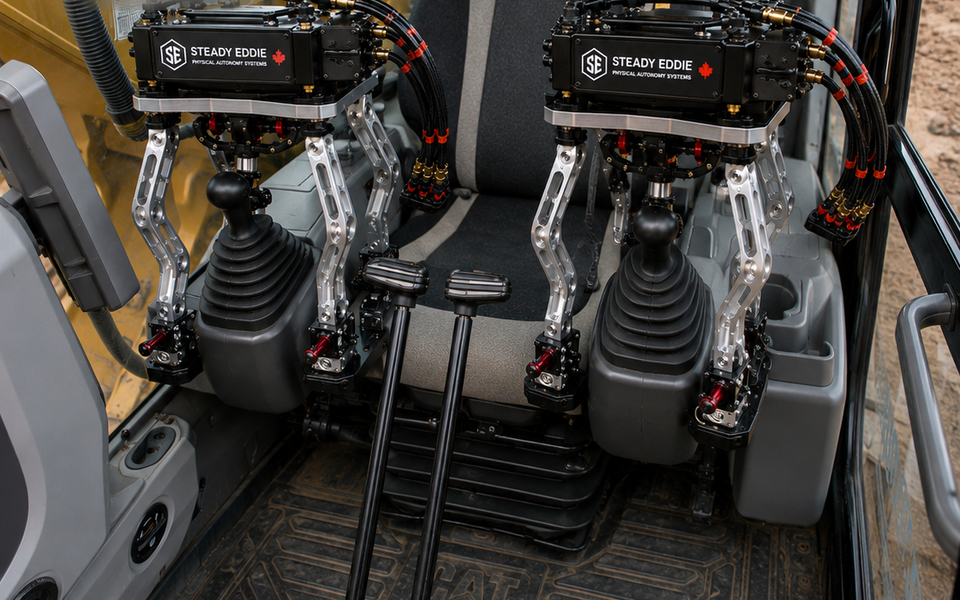
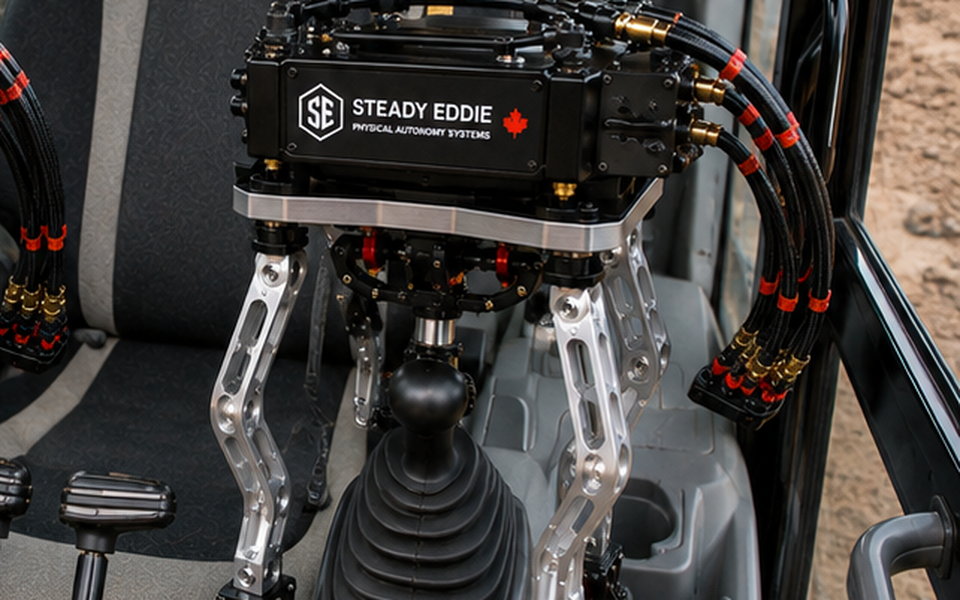
Steady Eddie in the seat, on the machine's own controls.
The line-up
Lead with the hybrid. Specify the others on purpose.
Three systems, built on one dock, one seat and one set of rules. The differences are real, and each one earns its place on a particular machine, on particular ground.
The flagship · the system we build today
STE Integrate.
Electric where it turns. Pneumatic where it pushes.
A joystick wants to be turned with precision; a pedal and a travel lever want to be pushed with force. The hybrid gives each control the drive it asks for, so one unit is at home on an excavator's joysticks and a dozer's levers alike. It is the operating system the other two systems are measured against, and the one built on fourteen machines across eleven families at our own Test Facility in Alberta.
Any control a person can reach, driven the right way.
One unit for a mixed fleet.
The system we recommend unless your cab or your site says otherwise.
Electric drives on every control, and nothing else to carry. It is the fit for cabs with light, fine controls, for work indoors and near people where quiet matters, and for sites and machines that do not want compressed air anywhere near them. The first line, and the one the others grew from.
Fine, repeatable control on light levers and joysticks.
Nothing pneumatic to supply, dry or maintain.
The choice where quiet and cleanliness are the job.
All-pneumatic. Force, simplicity, and its own air.
Compressed air on every control, with the air carried on the unit. It is the fit for heavy levers and pedals that want to be pushed hard, for cold, dust and wet, and for crews that already live with air on site and want the simplest drive there is. Engineered as its own line, beside the electric one rather than in place of it.
Push and hold on the heaviest controls.
Simple, tolerant hardware for hard ground.
The choice where the controls are big and the weather is bad.
Tell us the machine, the ground and the crew, and the system falls out. These are the three we ask.
What are the controls like?
Joysticks and light levers reward precision. Big levers and pedals reward force. A cab with both is the hybrid's home ground.
Both kinds · STE Integrate
What is the ground like?
Indoors, near people, or where quiet and cleanliness matter, the electric line fits. Cold, dust, wet and heavy work favour air.
Hard ground · STE Air or STE Integrate
What is on site already?
Crews that run air every day take to the pneumatic line without a thought. Sites with no air, and no wish for it, take the electric line.
No air, no fuss · STE Precision
Still not sure?
Most fleets are not. The hybrid exists for that reason, and it is the system we recommend first. Tell us what you run and we will say which system fits, and why.
Ask us · Let's talk
Any system, the same seat.
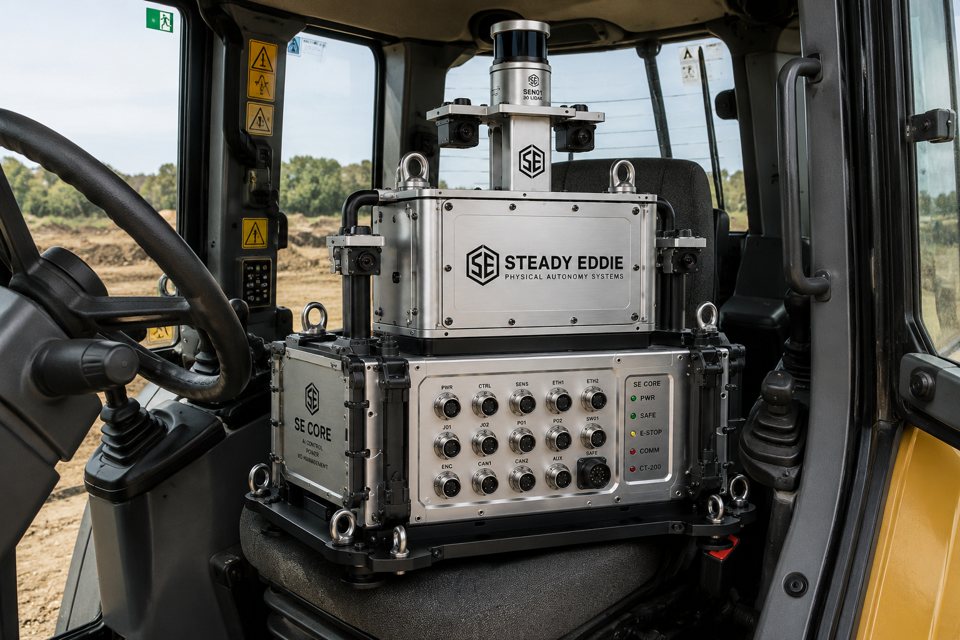
The dock, set into a dozer cab.
What stays the same, whichever system you run.
The system changes what moves the controls. It never changes the rules, the safety, or what happens to your machine.
Your machine stays stock.
No harness tapped, no controller flashed, no OEM software touched. The only wire is a fused power feed.
A person starts it.
Every machine, every session. Anyone can take Eddie's control away with one hand, on any system.
The dock stays, the unit lifts out.
Fitted once, mechanically, into points the manufacturer already provided. Swap the system, keep the dock.
Older iron counts.
If a person can work the controls, any of the three can work them. The fleet you own is the fleet Eddie runs.
Side by side.
System
What moves the controls
Built for
What your machine supplies
Where it stands
STE Integrate
Electric where it turns, air where it pushes
Mixed fleets, mixed cabs, the everyday choice
A fused power feed
The system we build today, on fourteen machines of our own
STE Precision
Electric drives throughout
Fine controls, quiet work, sites with no air
A fused power feed
The first line, offered where a cab or a site calls for electric throughout
STE Air
Compressed air throughout, carried on the unit
Heavy controls, hard weather, crews that run air
A fused power feed
Its own line, offered where a cab or a site calls for air throughout
Same dock. Same seat. Same red release on every actuator. Same rules: AI plans, rules govern, humans authorize, safety has veto. The system is the last decision, and the easiest one, because whichever you choose, your machine stays your machine.
The machines
Five markets, one seat.
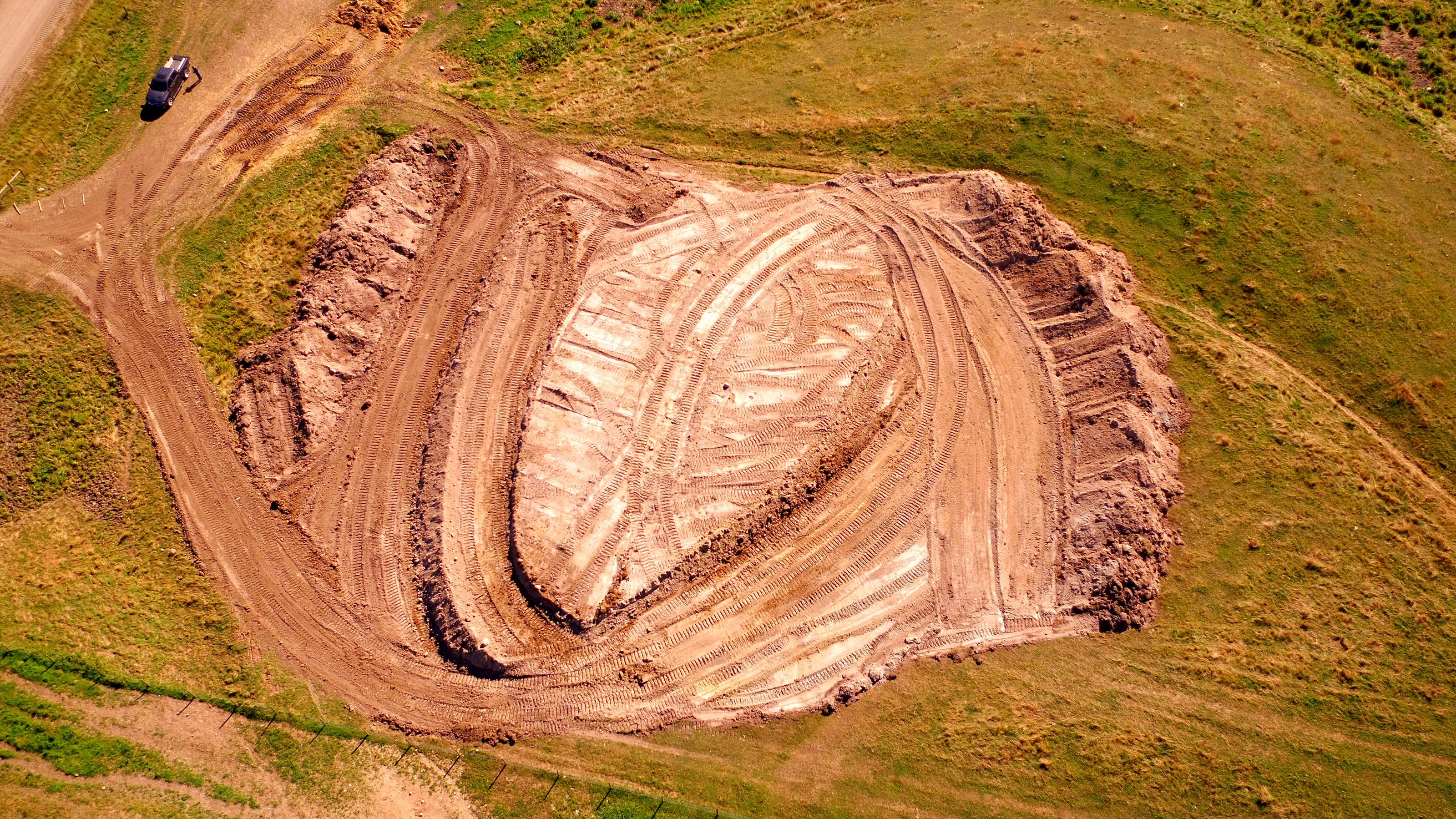
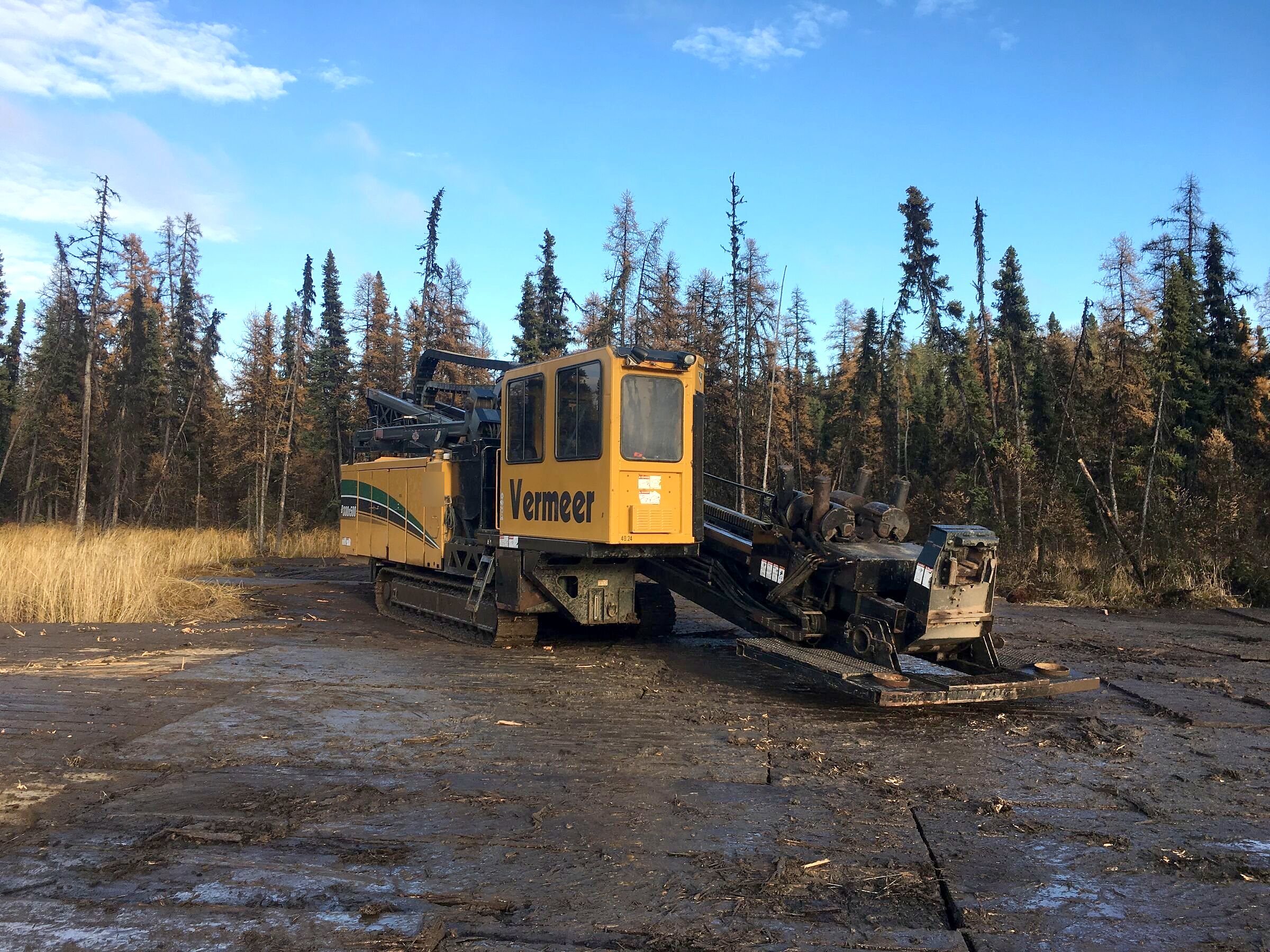
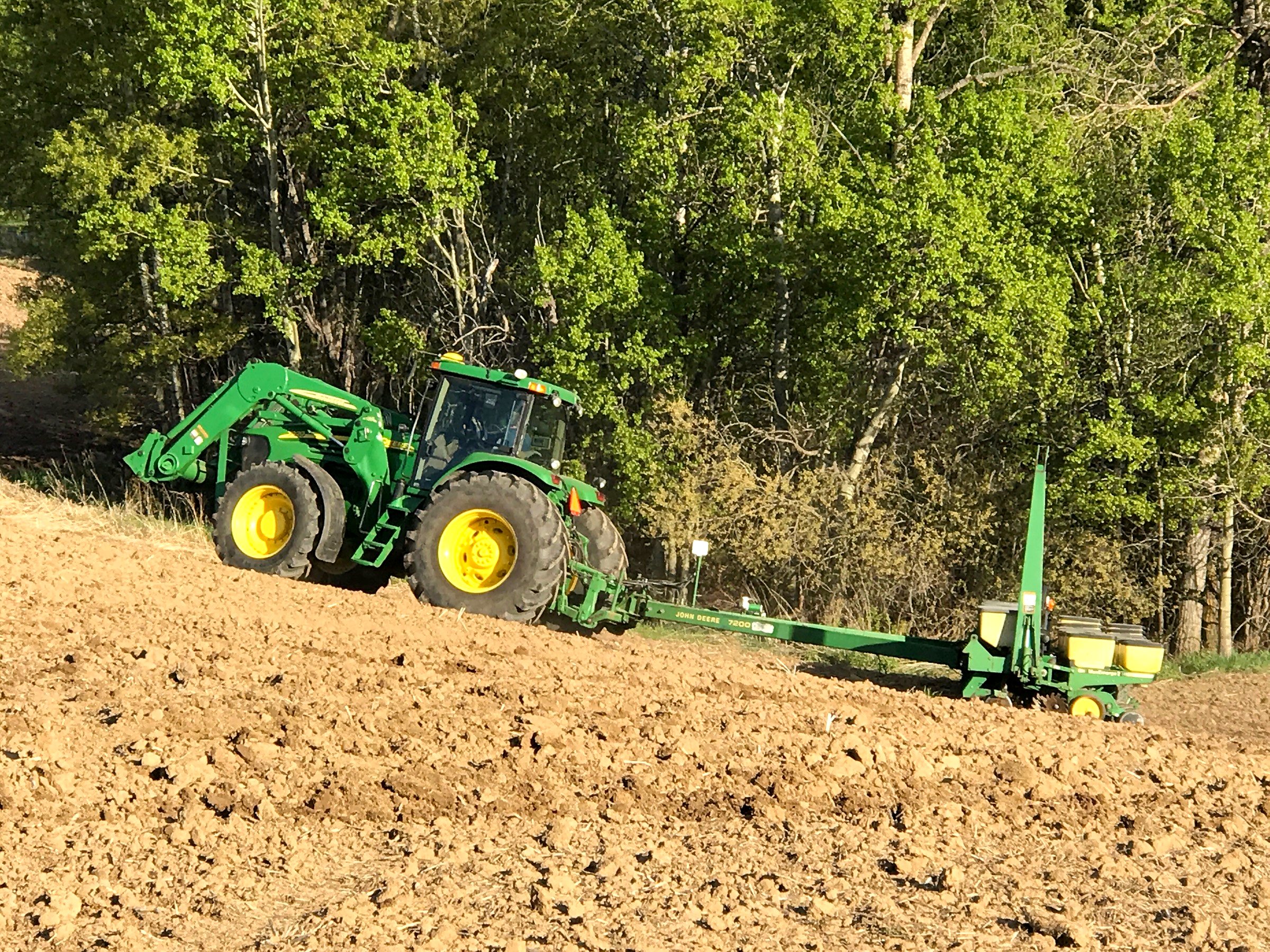
The borrow pit, from the airA drill rig on mats, golden hourPlanting at the treeline
Product sheets
Take the three systems with you.
One sheet per system, and a buyer's guide to the Alberta programs that can help pay for it. Every statement in them is on this site.